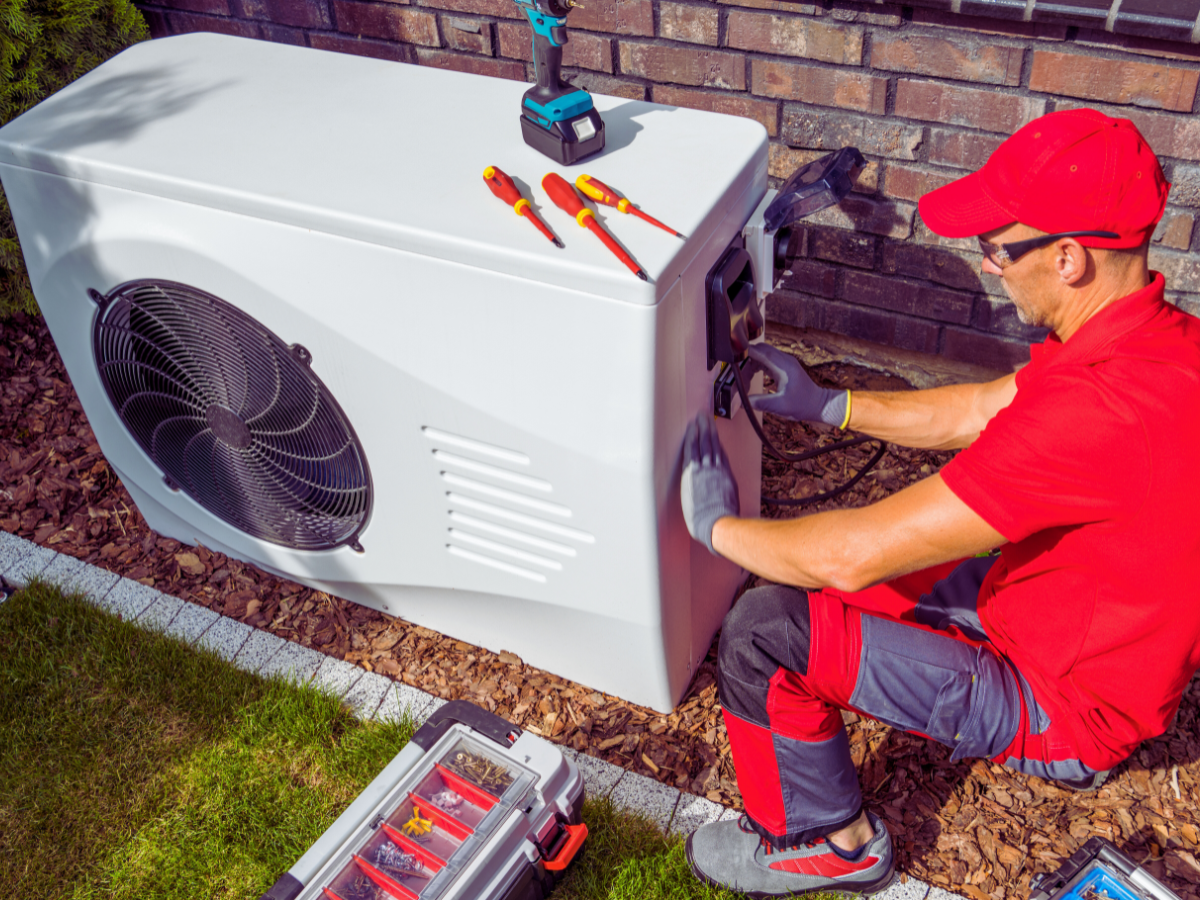
 The most common heat pump issues range from the unit not turning on to having the system run constantly. You might also encounter the heat pump only blowing cold air when it’s set to hotter temperatures. Hearing strange noises or noticing a leak are also signs that the heat pump needs some TLC.
The majority of these problems tend to come from thermostat errors, low refrigerant, airflow restrictions or even electrical faults. Here, we’ll cover how to diagnose and fix the most common issues, along with when it’s best to call one of our pros.
Check Out this Quick Primer On How Heat Pumps Work
Your home’s heating and cooling system works by using a heat transfer cycle that involves moving air between the indoor and outdoor units. When the heat pump is in heating mode, it will absorb the heat from the outdoor air and move it through the indoor vents.
In cooling mode, the unit will absorb heat that comes from indoor air and push it through the outdoor unit. For both heating and cooling, heat pumps require the right level of refrigerant, functioning coils and good airflow to maintain the heat transfer cycle.
12 Common Heat Pump Issues and Their Solutions
Diagnosing heat pump problems isn’t always as easy as using a quick guide, but knowing about these common issues can point you in the right direction to find a solution.
1. Discovering the Heat Pump Won’t Turn On
The typical causes for a heat pump that isn’t turning on at all involve tripped breakers, thermostat miswires and starter capacitor failure.
You might get a quick fix from resetting the breaker, checking the thermostat or calling one of our techs to install a new capacitor.
2. Noticing the Heat Pump Running Constantly
Even in extreme temperatures, the heat pump should shut off periodically. Constant running can be linked to dirty filters, a mis-set thermostat or low refrigerant.
You can try changing the air filter and checking the current thermostat settings. We also recommend scheduling a refrigerant check to identify leaks and replenish levels.
3. Feeling Poor Heating From the Heat Pump
Low airflow from blocked outdoor units can cause poor heating, along with duct leaks and low refrigerant.
Our techs recommend clearing debris, sealing the ducts and calling us for a professional inspection to identify deeper problems.
4. Dealing with Improper Cooling
A broken reversing valve may be to blame for poor cooling. Clogged coils and thermostat errors could also be the culprits of this problem.
Homeowners can clean the coils and check the thermostat before calling our pros to check the reversing valve for replacement needs.
5. Sensing Cold Air Blowing When the System’s in Heat Mode
You’ll need to find out if the fan is set to the “on” position. Frozen outdoor units and refrigerant leaks are often issues that our technicians discover during inspections.
If the fan is on, then switch it to the “auto” position. Clearing ice and scheduling a refrigerant leak repair are your next steps for this problem.
6. Freezing Indoor or Outdoor Units
When you call about this problem, we’ll thaw the system carefully and clean the coils. While you wait, you can change the air filter. We’ll also check for low refrigerant during the inspection.
7. Being Concerned About Short Cycling
A heat pump that turns off and on too frequently might be the wrong size. After doing the usual checks for dirty air filters and blocked airflow, call us to check for sizing issues.
8. Hearing Unusual Noises
As a general rule, rattling sounds mean that there are loose parts. Hissing could be a refrigerant leak, and grinding might be the motor bearings going out.
If you’re handy, you can tighten any screws that are easy to reach. Then, call our pros if you suspect a motor problem or leak.
9. Smelling Strange Odors
Burning smells are serious, since they could indicate a wiring or motor issue that leads to fires. Sweet chemical smells are often due to refrigerant leaks, and musty odors could indicate mold buildup.
Cleaning the coils and ducts can eliminate dirt and mold odors. Turn the unit off immediately if you smell burning, and contact us right away for help.
10. Suspecting a Refrigerant Leak
Hissing sounds, ice building up on the outside unit and poor cooling are all signs that you need one of our pros to repair and recharge the system.
11. Facing Electrical Problems
Tripper breakers are often one of the most obvious signs of electrical issues, such as faulty wiring or a failed contactor. If resetting the breakers doesn’t fix the problem, then call our HVAC tech to assess the electrical components.
12. Developing a Faulty Reversing Valve or Defrost Timer
Getting stuck in heating or cooling mode is often a sign that these heat pump components are failing. A professional replacement is necessary to make sure this repair is done right.
Know When to Do DIY Troubleshooting Vs. Professional Repairs
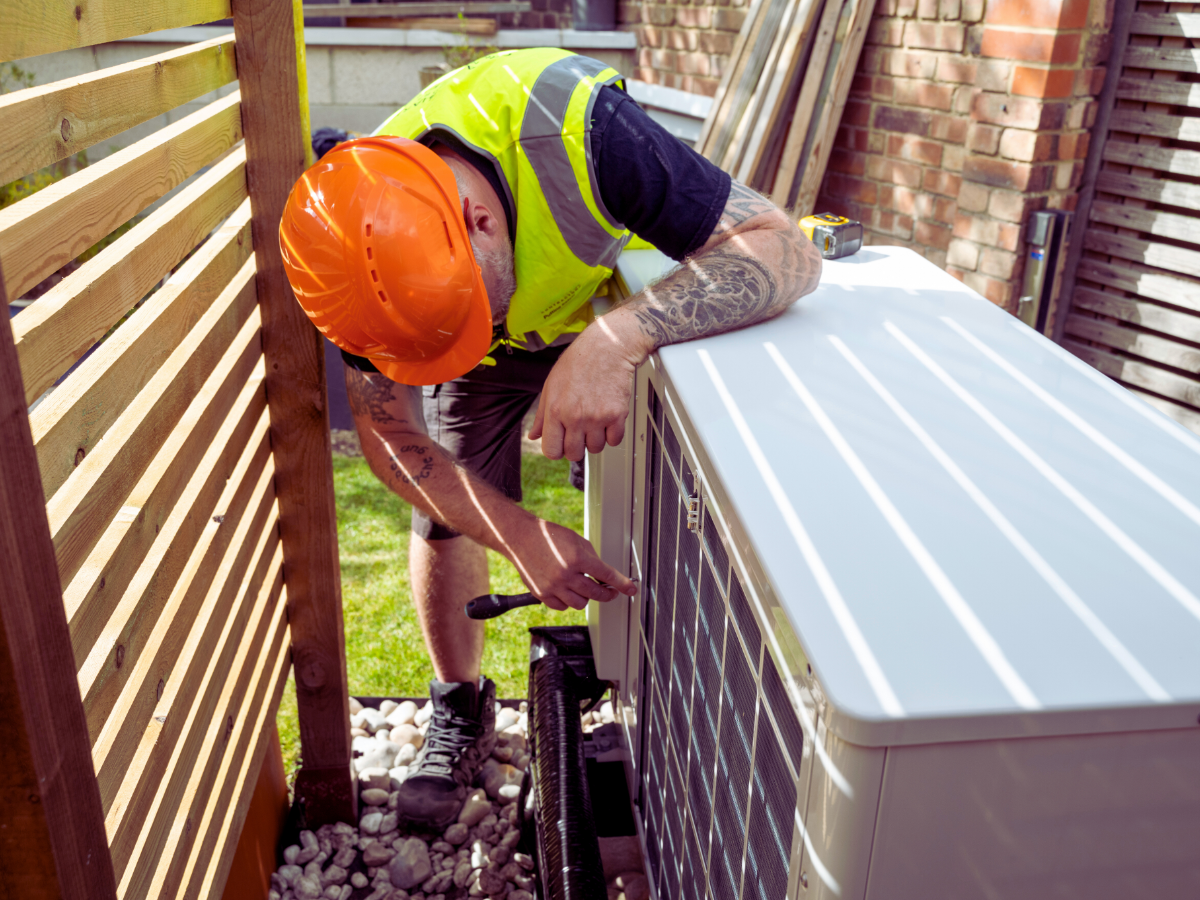 Safe DIY fixes typically fall within the category of simple maintenance tasks such as adjusting the thermostat settings, clearing debris and swapping out the air filter.
Calling a pro is best when the simple fixes don’t work, especially if you suspect a refrigerant leak, compressor failure or wiring issues.
Follow These Preventative Maintenance Tips
We love seeing our customers, but we also know that you prefer to avoid major heat pump problems. Using these maintenance tips can help you minimize the need to call us for major repairs.
•Replace air filters each month
•Clear branches and other debris from the outdoor unit
•Schedule bi-annual maintenance services
•Clean coils and keep ducts sealed
Get Quick Answers With These FAQs on Heat Pump Troubleshooting
Sometimes, all you need is a quick prompt to start fixing simple heat pump problems or know when to call a pro.
Why is my heat pump running all the time?
A clogged filter, incorrectly set thermostat or low refrigerant could be causing this problem.
What causes a heat pump to freeze up?
Airflow restrictions, dirty coils and low refrigerant are common culprits of freezing.
Can a dirty filter stop my heat pump from working?
Absolutely, a dirty or clogged filter blocks the airflow that heat pumps need for functioning.
How long should a heat pump last?
The life span of a heat pump ranges from 10 to 25 years, and proper maintenance plays a big role in how long your system lasts.
Remember These Key Takeaways
As you create your heat pump repair action plan, remember these key points that will help you make the best decisions.
•The majority of heat pump problems start small with airflow, filter and thermostat issues.
•Electrical, mechanical and refrigerant problems require our pros’ experience and expertise.
•Preventive maintenance goes a long way toward preventing breakdowns and saving money.
Take These Next Steps to Begin Fixing Your Heat Pump
 Doing a few quick DIY checks can help you correct small issues fast. After you’ve checked the breaker, filter and cleared debris, it’s time to call our friendly techs at Orlando One Hour for heat pump repair services.
We serve Orlando, FL and the surrounding areas, and we stand by our promise that we’re always on time, or you won’t pay a dime. Call us today for prompt and effective heat pump repairs.