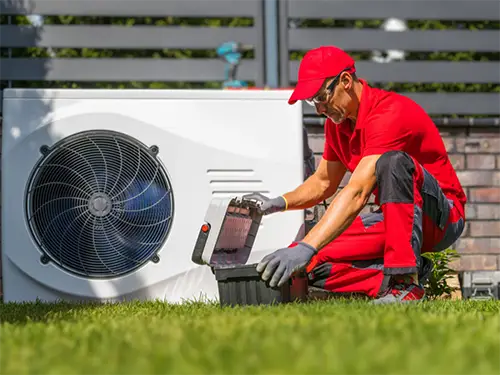
 Heat pumps have been receiving a lot of attention lately, especially as homeowners explore more energy-efficient options. But here’s the real question: Can a heat pump replace a furnace? The answer is yes, absolutely.
But there are a few things you need to keep in mind before making the switch. Let’s break it down step by step so you can decide whether replacing your furnace or air conditioner with a heat pump makes sense for your home.
Key Takeaways:
- Heat pumps can replace both a furnace and an air conditioner.
- They are energy-efficient and environmentally friendly.
- Heat pumps may not perform as well in extremely cold climates.
- Upfront costs for a heat pump system can be higher than traditional HVAC systems.
Understanding Heat Pumps
 Let’s start with the basics. A heat pump isn’t magic, but it sure feels like it sometimes. Instead of creating heat, a heat pump moves it around.
In the winter, it takes heat from the outside (yes, even in the cold) and brings it into your home. In the summer, it does the reverse by removing heat from inside your house and pushing it outdoors. So, one system handles both your heating and cooling needs.
Advantages of Heat Pumps
- Efficiency: Heat pumps are more efficient than traditional systems. Why? Because they don’t burn fuel like furnaces do. They transfer heat instead of generating it, which uses less energy.
- Heating & Cooling: One unit does it all. This means you don’t need both a furnace for heat and an air conditioner for cooling. That’s a serious space and cost-saving bonus.
- Environmentally Friendly: Heat pumps cut down on greenhouse gas emissions. Since they don’t rely on combustion like gas furnaces, you’re reducing your carbon footprint. It’s a win for the planet and your conscience.
- Durability: Heat pumps have a long lifespan and typically require less maintenance than traditional heating systems. You might be looking at 15 years or more of use, depending on the model and how well you take care of it.
Disadvantages of Heat Pumps
- Initial Costs: Heat pumps can be pricey upfront. While they’ll save you money on energy bills down the road, the sticker shock can be real when you first install one.
- Inefficient in Extreme Cold: When temperatures dip below freezing, heat pumps can struggle to pull in enough heat from the outside. In those cases, you might need a backup heat source, like electric resistance heaters or a gas furnace.
- Higher Electric Bills: In areas where electricity rates are high, running a heat pump could lead to bigger bills, especially in colder months when the system has to work harder.
Understanding Furnaces
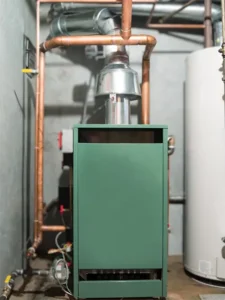 Furnaces are the old reliable of the heating world. They work by burning fuel (natural gas, oil, or propane) or using electricity to heat air, which is then blown through your home via ducts. Simple, but effective, especially in cold climates.
Advantages of Furnaces
- Effective in Extreme Cold: If you live in a place where temperatures routinely drop below freezing, a furnace might still be your best bet. It doesn’t rely on the outside temperature to generate heat, making it perfect for extreme winters.
- Reliability: Furnaces have been around forever, and there’s a reason they’re still in so many homes. They’re durable and can last 20 years or more with proper maintenance.
- Independence from Outside Temperature: Furnaces generate heat, no matter how cold it is outside. If your area experiences long stretches of sub-freezing temps, a furnace won’t let you down.
Disadvantages of Furnaces
- Only Provides Heating: A furnace only heats. You’ll still need an air conditioner or another cooling system in the summer, which means more space taken up by two separate units.
- Not Environmentally Friendly: Furnaces that burn fossil fuels like natural gas or oil release greenhouse gases, contributing to environmental problems.
- Requires Ductwork: Furnaces rely on ducts to distribute heat. If your home doesn’t already have existing ductwork or they need repair, it’s an added expense.
- Safety Issues: Gas furnaces come with the risk of carbon monoxide leaks. Regular inspections and maintenance are a must to keep your system safe.
When Should You Replace Your Furnace with a Heat Pump?
Before you rush into replacing your furnace with a heat pump, let’s look at the pros and cons. If your gas furnace still runs efficiently and has plenty of life left, there’s no need to throw it out. But, if it’s old, inefficient, and your energy bills are creeping up, a heat pump might be the right move.
Here’s when a heat pump makes sense:
- Your furnace is over 15 years old and starting to show signs of inefficiency.
- You want a more environmentally friendly option for heating your home.
- You’re tired of rising energy bills, especially if you have an electric furnace.
However, if your furnace is still kicking and relatively efficient, or if you live in a very cold climate, it might be worth sticking with it at least for now.
Can a Heat Pump Replace an Air Conditioner?
Yes, it absolutely can. Heat pumps and air conditioners both work by moving heat around. In the summer, they pull heat out of your home and push it outside, keeping you cool. The difference is that a heat pump can reverse that process and bring heat inside during the winter, which an air conditioner can’t do.
Essentially, a heat pump can do everything an air conditioner does, plus more.
Do Heat Pumps Work in Extreme Cold?
This is where things get tricky. Heat pumps work great in moderate climates, but they start to lose efficiency as the temperature drops below freezing. In areas with very cold winters, heat pumps might need supplemental heating sources to keep your home warm. So, if you live in places like Minnesota, a heat pump might struggle during the coldest months.
On the other hand, in warmer areas like Orlando, FL, heat pumps shine. They’re perfect for handling mild winters and hot summers, making them a versatile option for year-round comfort.
Trust One Hour for Heat Pump Installation
 Finding the right heating and cooling system isn’t always easy, but that’s where One Hour comes in. We specialize in heat pump installation, maintenance, and repairs, helping you get the best system for your home.
And remember, we’re always on time or you don’t pay a dime. Your comfort is our priority, and we’re here to help you make the right choice for your HVAC system.
FAQs
Choosing between a heat pump and a furnace can feel like a tough decision. That’s why we’ve gathered some of the most common questions homeowners ask. Let’s dive in.
Can a heat pump really replace both a furnace and an air conditioner?
Yes, a heat pump can replace both. It heats your home in the winter and cools it in the summer.
How long do heat pumps last?
A well-maintained heat pump can last 15 to 20 years, similar to a furnace.
Are heat pumps more expensive to run than furnaces?
It depends on your local electricity rates. In places with high electricity costs, heat pumps might be more expensive to run during colder months.
Do heat pumps work well in cold climates?
They can, but in extreme cold, they may need supplemental heat sources.
Are heat pumps better for the environment than furnaces?
Yes, because they don’t rely on burning fossil fuels like gas furnaces do.
Should I replace my gas furnace with a heat pump?
If your furnace is old and inefficient, or if you want a more eco-friendly option, replacing it with a heat pump might be a good choice.
Final Thoughts
So, can a heat pump replace a furnace? Absolutely. But whether it’s the right choice for you depends on where you live, how old your current system is, and your energy efficiency goals. Heat pumps can keep your home comfortable year-round while cutting down on greenhouse gases, but they might need a little help in colder climates.
For expert guidance, contact One Hour. Let us help you make the right decision for your home’s heating and cooling needs.