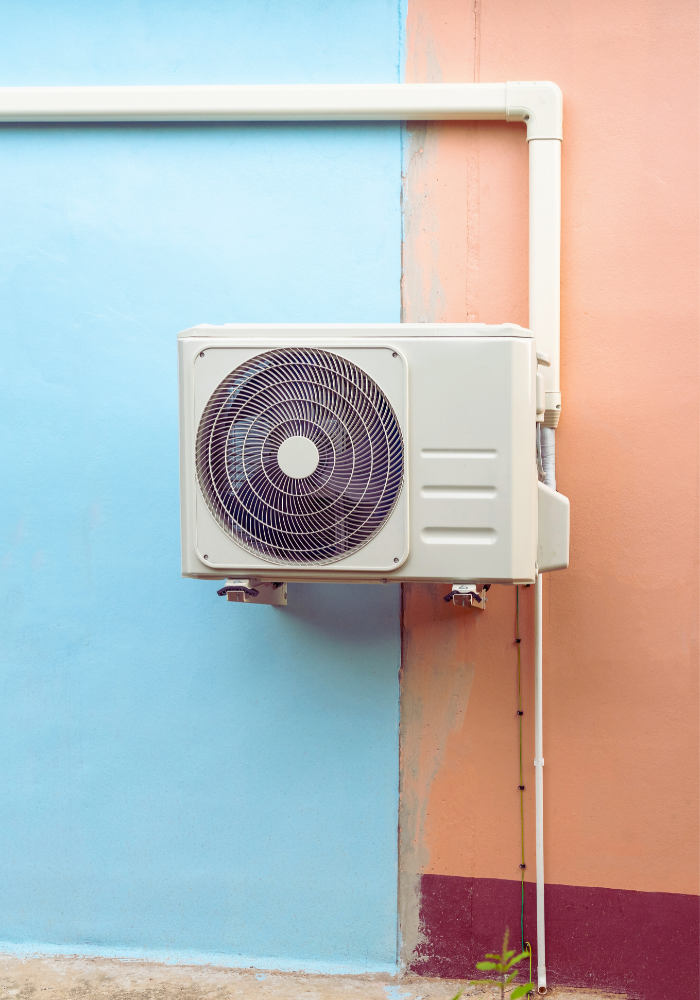
 Many homeowners are often surprised to learn that heat pumps produce condensation, sometimes gallons of moisture a day. All this moisture must be safely drained outside via the heat pump’s condensate line to prevent leaks, mold, or damage to the system.
Understanding how the condensate line works can help homeowners spot maintenance issues early. This article explains how the condensate forms, why it forms, why the condensate drain line is important, and how regular maintenance protects your system.
Quick Takeaways
- Heat pumps have a condensate drain line that removes moisture produced during operation.
- Condensation forms when warm indoor air passes over the evaporator coil.
- The condensate line safely carries this water away from the air handler.
- A clogged drain line can cause water leaks, system shutdowns, and mold growth.
- Regular maintenance helps keep the drain line clear and ensures the system operates efficiently.
- Many homeowners first notice a problem when they see water near the indoor unit or drain pan.
Do Heat Pumps Have a Condensate Line?
Yes, heat pumps have a condensate line. Because they operate like air conditioners and pull humidity from your indoor air, they produce condensation during normal operation.
To remove this buildup of moisture, heat pumps use a condensate line. The drain line connects to the air handler and carries water outside or to a household drain.
How a Heat Pump Creates Condensation
A heat pump creates condensation when warm, humid air in your home passes over the heat pump’s cold evaporator coil. The moisture turns into water droplets, which collect in a drain path beneath the coil. The condensate line then directs the water outside or to a nearby drain.
Where the Condensate Drain Line Is Located
The condensate drain is a 3/4-inch pipe near the indoor air handler or furnace cabinet. It connects to the drain pan beneath the evaporator coil and runs from the indoor unit to outside the home or to a nearby drain.
In cases where water must be lifted upward in order to drain, the condensate line will connect to a condensate pump. The pump pushes the water upward to a drain.
Why the Condensate Line Is Important for Heat Pumps
A condensate line is important for heat pumps for various reasons. It prevents water damage around the air handler. If the condensate line is clogged, water will back up into the drain pan and overflow, damaging the surrounding areas, like floors and nearby furniture.
A condensate line also protects the heat pump from internal moisture buildup. Moisture buildup inside the line can cause rust or corrosion.
In some cases, it can result in frozen evaporator coils, which can lead to a sudden breakdown. Moisture inside the condensate line increases the risk of mold and mildew growth, too.
Finally, a clear condensate line prevents automatic safety shutoffs triggered by float switches. A clogged line causes water to rise in the drain pan, triggering the float switch and an automatic shutdown.
Regular maintenance can prevent clogs, algae buildup, corrosion, and unexpected shutdowns.
Signs Your Heat Pump Condensate Line May Be Clogged
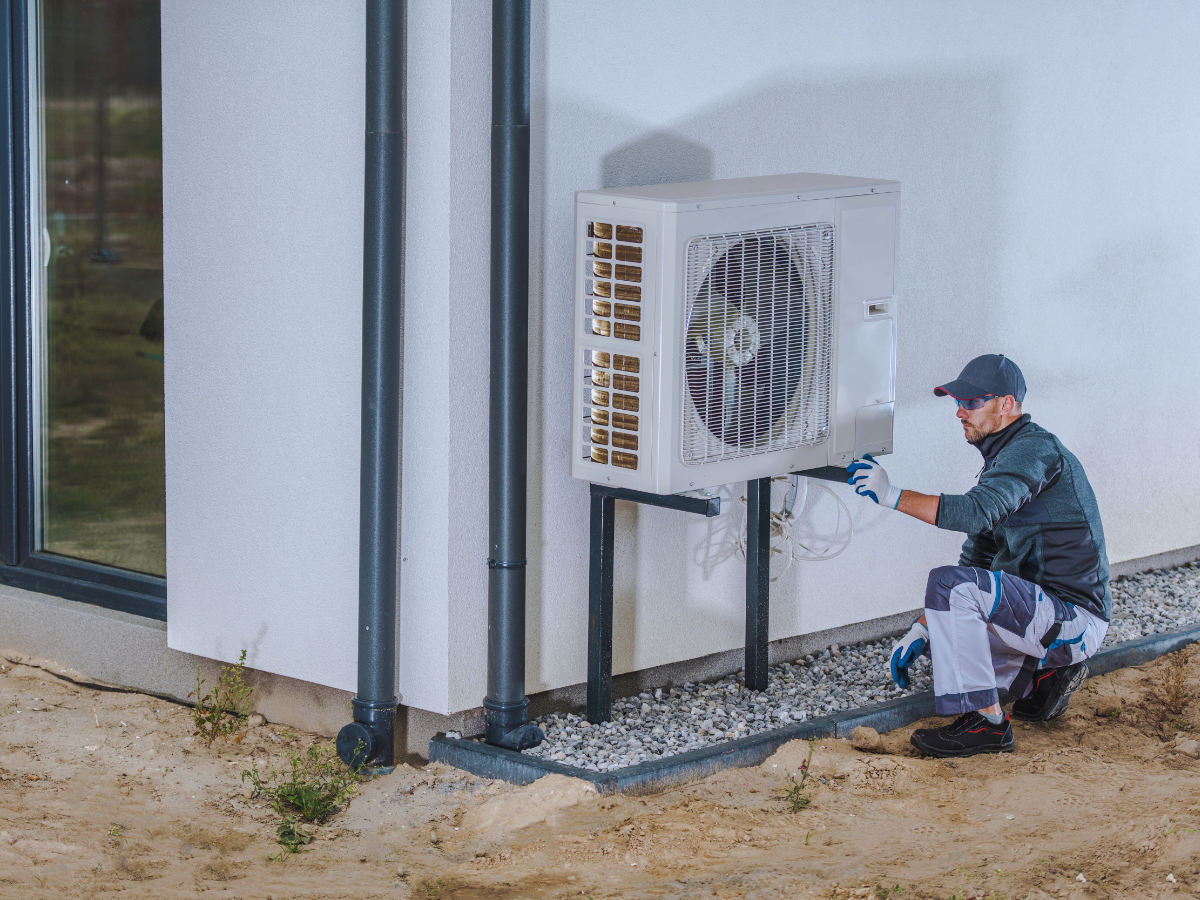 Water pools around the indoor unit
- Musty odors near your vents
- System shuts off unexpectedly
- Visible algae or debris in the drain line
- Slow or no drainage from the line outlet
If you notice these signs, contact our One Hour Heating & Air Conditioning technicians. We can inspect your heat pump and make immediate repairs. We can also help with maintenance services so that your condensate line remains clear and your heat pump runs efficiently all year long.
Basic Condensate Drain Line Maintenance
To perform simple preventative care, turn off your heat pump. Then, inspect the condensate line for any algae or mold. Try to do this every 3-6 months.
Keep the drain outlet clear of debris, and flush the line with a cup of distilled white vinegar. Let the vinegar sit for about 30 minutes, and then flush the line with water afterwards. If the line seems clogged, use a wet/dry vacuum at the exterior outlet to suck out any debris. You should also schedule professional maintenance with our Orlando team at least once a year to prevent buildup.
For more complicated issues, turn to our professionals. Issues such as cracked condensate lines, persistent clogs, or leaks need a professional inspection.
Why Heat Pump Maintenance Helps Prevent Drain Line Problems
Heat pump maintenance helps prevent drain line problems by ensuring that your heat pump can safely direct gallons of water away from your home on a daily basis.
Here are some important maintenance tasks that professional technicians perform:
- Clean coils and drain components
- Check the condition of the drain pan
- Clean algae and algae buildup from the condensate line
- Test the float switches and pumps
- Prevent leaks and unexpected shutdowns
FAQ — Heat Pump Condensate Line Questions
Do all heat pumps have a condensate drain line?
Yes, all residential central heat pumps have a condensate drain line.
Why does my heat pump produce water?
Your heat pump produces water when warm, humid indoor air passes over the heat pump’s evaporator coil. The coil cools the air, turning it into water.
Where does the condensate drain line go?
The condensate drain line goes outside the house or to a nearby drain.
What happens if the condensate line clogs?
If the condensate line clogs, water can’t drain away from your system properly. Instead, it will back up into the drain pan, causing the drain pan to overflow with water. This could damage your floors and walls.
How often should a heat pump’s drain line be cleaned?
The heat pump’s drain line should be cleaned at least once a year. However, twice a year is optimal.
Can a clogged drain line shut off a heat pump?
Yes, a clogged drain line can shut off your heat pump. Once the drain pan starts to fill with water, it triggers the safety float switch. The switch then turns off your heat pump to avoid water damaging your home.
Keep Your Heat Pump Running Smoothly With Professional Maintenance
 When you schedule regular heat pump maintenance services with our Orlando team, you help prevent issues like clogged condensate drain lines, water leaks, corrosion inside your line, and unexpected breakdowns.
At One Hour Heating & Air Conditioning, our experienced technicians proudly serve Orlando, FL and the nearby areas. Our priority is to help homeowners keep their heat pumps clean, efficient, and reliable year-round. We’re friendly, professional, and prompt. And we always keep our promise: “We’re always on time or you don’t pay a dime.”
Turn to us for these maintenance services:
- Heat pump inspections
- Condensate drain line cleaning
- Coil and airflow checks
- Heat pump filter replacement
- Electrical system testing
- Full performance tune-ups
Schedule your heat pump maintenance service today. We’ll help keep your system running efficiently and prevent drain line problems before they start.