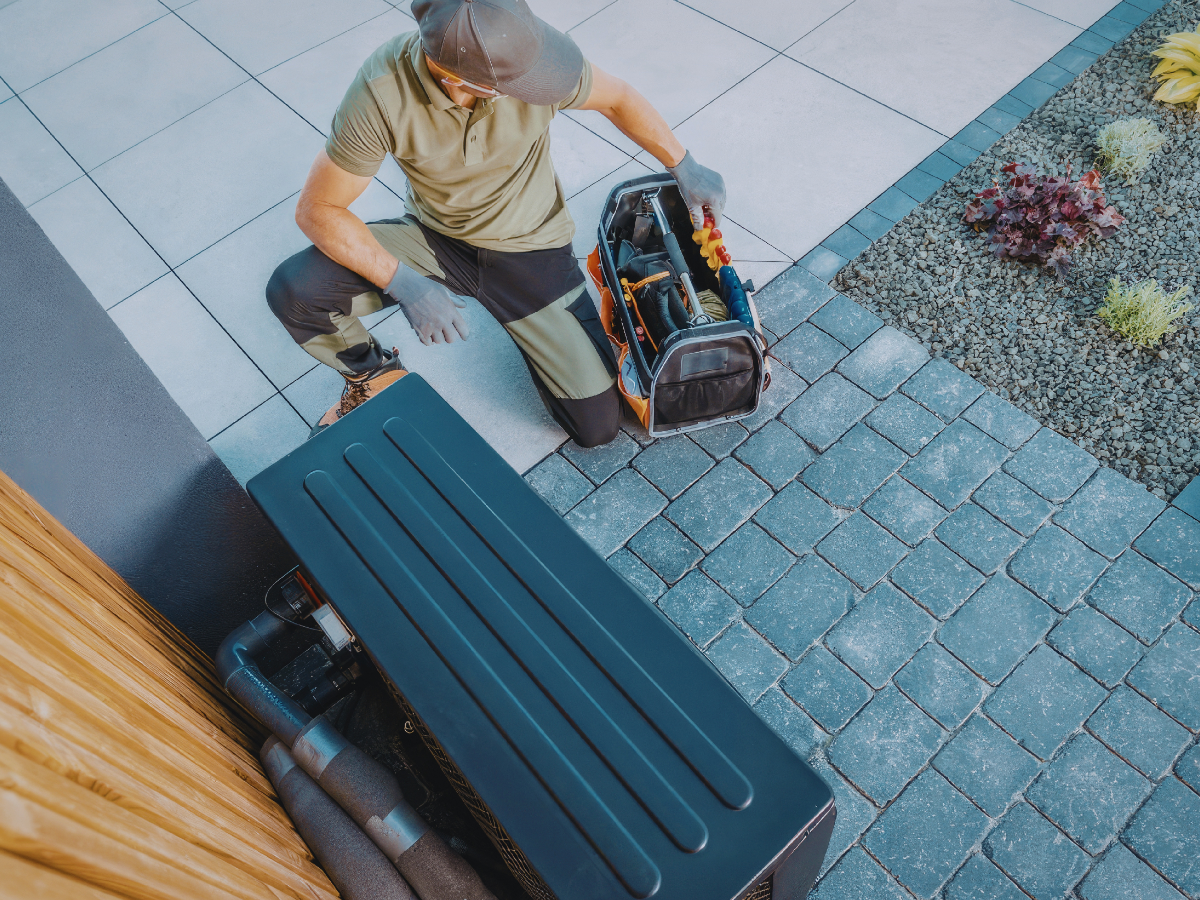
 To work safely and efficiently, all residential heat pumps need certain electrical connections. However, these requirements can vary from heat pump to heat pump, so knowing what you’re doing is vital.
Of course, some homeowners dread talking about electricity. This subject often feels technical or even confusing, particularly with the special terminology and measurements that are involved.
However, once you grasp the basics, you can avoid frustrating electrical installation issues and dangerous system failures.
This article is here to help. Below, we’ll break down what’s involved in proper heat pump installation. We’ll also consider what terms like voltage and amperage really mean — for you and your home.
Quick Takeaways
- Most residential heat pumps require 208/230V and a dedicated electrical circuit.
- However, electrical requirements vary based on system size, efficiency, and manufacturer specifications.
- For safety and performance, proper breaker sizing and wiring are critical.
- Undersized electrical components can lead to system failure or safety hazards.
- Your heat pump installation must meet all local electrical codes as well as all manufacturer guidelines.
- If you hire a licensed HVAC professional to handle your installation, you’ll ensure correct setup and long-term reliability.
What Are Heat Pump Electrical Requirements?
Here’s the first thing to realize: These electrical requirements vary according to a heat pump’s size and type. And, when we talk about these essentials, we’re referring to:
- Voltage
- Amperage
- Wiring
- Circuit specifications
Key Electrical Terms Explained (Voltage, Amps, and Watts)
It’s easy to confuse the terms voltage, amperage, and wattage, so let’s define them now:
- Voltage (V): the electrical pressure that powers the system
- Amperage (Amps): the amount of electrical current that flows
- Wattage (Watts): the total power usage (V × amps)
Typical Electrical Requirements for Residential Heat Pumps
To install a home heat pump, you’ll likely need the following:
- A 208/230V system
- A dedicated circuit
- A properly-sized breaker (This sizing is based on your unit capacity.)
- Wiring that matches the manufacturer specifications
- A disconnect switch, one that’s installed near the outdoor unit
Note that homeowners should always check the equipment label for their heat pump’s specific requirements.
Heat Pump Electrical Requirements by System Size
Generally speaking, these are the right electrical ranges for three common system sizes:
- 1.5–2 tons → 25-30 amps
- 2.5–3.5 tons → 30-40 amps
- 4–5 tons → 50-60 amps
Once again, though, exact heat pump requirements will vary by model and efficiency rating.
Factors That Affect Heat Pump Electrical Requirements
How, exactly, could one home heat pump differ from another? Here are the major ways these machines and systems vary:
- System size (tons/BTUs)
- Efficiency rating (SEER2/HSPF)
- Home electrical panel capacity
- Climate and system usage
- Ductwork and airflow efficiency
- Manufacturer specifications
Electrical Setup Checklist for Heat Pump Installation
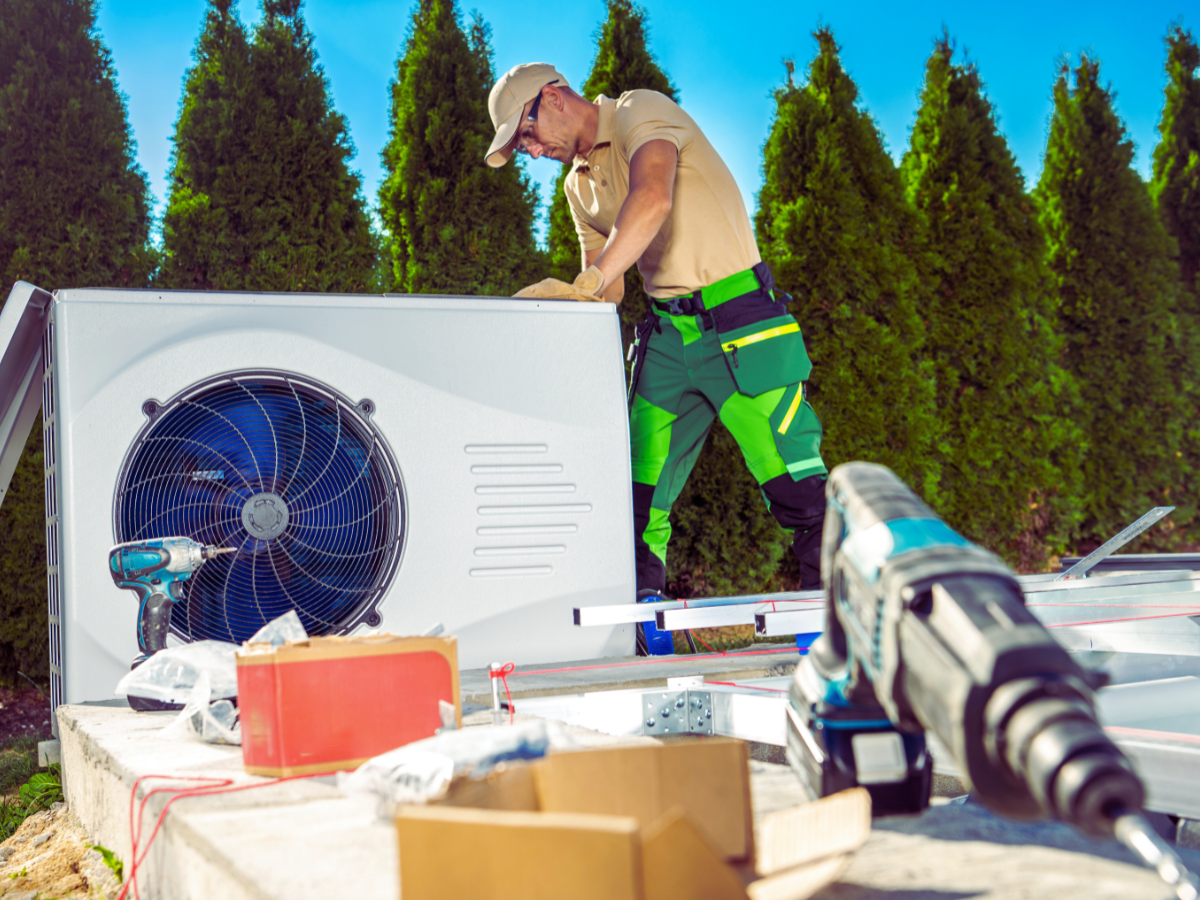 When you’re installing your residential heat pump, take care of these tasks:
- Confirm that you have a dedicated circuit.
- Verify that your breaker size is correct.
- Ensure that you have the proper wire gauge.
- Locate the outdoor disconnect switch.
- Look at your electrical panel and check for sufficient capacity.
Especially important, your entire system must be properly grounded. And, in the end, your installation must meet all local building codes.
Why Proper Electrical Installation Matters
A flawless heat pump installation will protect you and your household in various ways. That is, it will:
- Prevent electrical overloads
- Ensure safe operation at all times
- Safeguard the compressor and the other system components
- Improve efficiency and performance consistency
- Reduce the risk of breakdowns
What Happens If Electrical Requirements Are Incorrect?
If a home’s heat pump doesn’t meet every electrical requirement, problems can emerge. And some of them can be quite serious. These issues include:
- A system that won’t start
- A system that runs improperly
- Breakers that trip frequently
- Overheating wires or components
- Increased wear on electrical equipment
- Potential safety hazards
Fortunately, there’s no reason to be alarmed here. Heat pumps can be perfectly safe and dependable over the long haul — so long as they’re installed correctly.
Why Professional Heat Pump Installation Is Essential
When a licensed professional installs your home heat pump, you can enjoy real peace of mind. That’s because your heat pump will:
- Comply with all applicable electrical codes
- Match your electrical system requirements correctly
- Work safely and reliably over time
Indeed, the right installation services can prevent every costly mistake imaginable.
Get Safe, Code-Compliant Heat Pump Installation in Orlando
 In the final analysis, installing a heat pump is about more than choosing the right system for your home. It demands the right electrical setup as well.
When it comes to proper electrical setups, homeowners in Orlando, FL — and all nearby areas — can always turn to Orlando One Hour. We deliver expert heat pump installation, along with precise electrical setup and system design, to every customer, every time.
Our team members are consummate professionals — conscientious, hardworking, respectful, and punctual. In fact, as we’re proud to say: “We’re always on time or you don’t pay a dime.”
So please contact us today to schedule your home heat pump installation. By doing so, your system will be guaranteed to perform safely and efficiently.